
The rehabilitation industry is rapidly evolving with digital transformation and intelligent healthcare technologies. Today, modern AI rehabilitation software is helping rehabilitation centers improve patient care, automate workflows, and enhance therapy management with greater efficiency.
From therapy scheduling to patient monitoring, artificial intelligence is reshaping how rehabilitation facilities operate. Clinics and rehabilitation centers are increasingly adopting advanced rehabilitation software solutions to reduce administrative workload, improve clinical accuracy, and deliver better patient outcomes.
As healthcare systems continue to move toward digital innovation, AI-powered rehabilitation platforms are becoming a major part of the future of rehabilitation care.
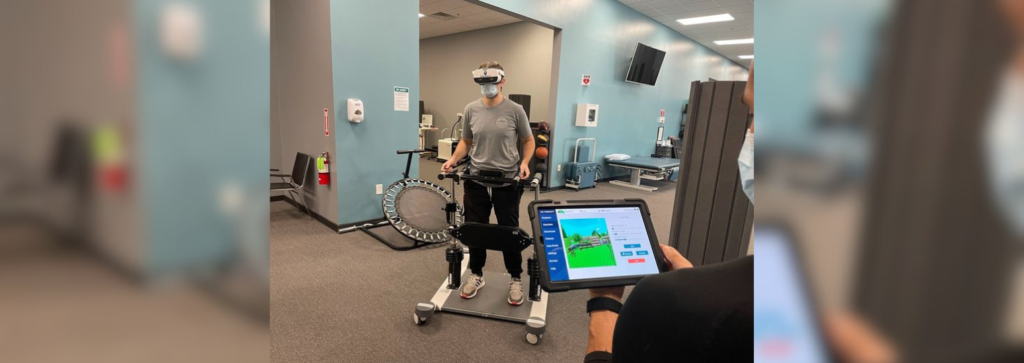
How AI Is Transforming Rehabilitation Centers
Traditional rehabilitation management often involves:
- Manual documentation
- Complex scheduling
- Time-consuming patient tracking
- Administrative inefficiencies
- Communication gaps between departments
Modern AI therapy management software helps solve these challenges through automation and intelligent workflow optimization.
AI systems can analyze patient data, automate repetitive tasks, and support therapists in making faster and more informed clinical decisions.
This improves both operational productivity and patient engagement across rehabilitation facilities.
Smarter Patient Management With AI
One of the biggest advantages of AI patient management software is its ability to centralize and organize patient information efficiently.
AI-powered systems help rehabilitation centers:
- Track patient progress digitally
- Monitor rehabilitation milestones
- Manage treatment plans
- Automate patient follow-ups
- Improve therapy coordination
Advanced digital rehabilitation platform solutions allow therapists to access patient data instantly while improving communication between departments.
This creates a more connected rehabilitation workflow and reduces delays in patient care management.
AI-Powered Therapy Scheduling Improves Efficiency
Scheduling therapy sessions manually can lead to appointment conflicts and workflow disruptions.
Modern therapy scheduling software powered by AI can:
- Optimize therapist schedules
- Send automated reminders
- Reduce no-show appointments
- Manage recurring therapy sessions
- Improve appointment coordination
AI-driven scheduling systems help rehabilitation facilities manage higher patient volumes while improving overall operational efficiency.
For growing rehabilitation centers, intelligent scheduling automation can significantly improve patient experience.
Rehabilitation Workflow Automation Reduces Administrative Burden
Administrative tasks often consume valuable therapist time. AI is helping rehabilitation centers automate repetitive operational processes.
Modern rehabilitation workflow automation tools can support:
- Therapy documentation
- Clinical reporting
- Billing workflows
- Appointment coordination
- Rehabilitation progress tracking
Automation allows therapists to spend more time focusing on patient recovery rather than manual administrative work.
This is one of the major reasons rehabilitation facilities are investing in advanced healthcare workflow software solutions.
AI Physiotherapy Software Supports Better Clinical Decisions
Modecarn AI physiotherapy software solutions are designed to improve rehabilitation planning and therapy management.
AI-powered platforms n assist therapists by:
- Analyzing rehabilitation trends
- Tracking therapy outcomes
- Monitoring patient recovery patterns
- Supporting treatment recommendations
- Improving rehabilitation documentation accuracy
As AI technology continues to evolve, rehabilitation centers can deliver more personalized and data-driven therapy experiences.
Cloud-Based Rehabilitation Software Enhances Accessibility
Many rehabilitation facilities are adopting cloud-based rehabilitation software to improve operational flexibility and remote accessibility.
Cloud-based AI systems provide:
- Secure patient data access
- Multi-location connectivity
- Real-time rehabilitation updates
- Automatic data backup
- Improved collaboration between therapy teams
Cloud technology also helps rehabilitation centers scale operations more efficiently while maintaining secure patient management systems.

Why Rehabilitation Centers Are Investing in AI
Healthcare organizations are increasingly recognizing the value of AI-driven rehabilitation systems.
Modern rehabilitation center management software helps clinics:
- Improve patient engagement
- Reduce operational inefficiencies
- Enhance rehabilitation tracking
- Streamline therapy coordination
- Support data-driven healthcare management
AI-powered systems are helping rehabilitation facilities become more efficient, scalable, and patient-focused.
As patient expectations and healthcare demands continue to evolve, AI integration is becoming a major competitive advantage for rehabilitation providers.
The Future of AI in Rehabilitation Software
Artificial intelligence is expected to play an even bigger role in rehabilitation healthcare over the coming years.
Future AI-powered rehabilitation systems may support:
- Predictive rehabilitation analytics
- Smart patient monitoring
- Virtual therapy assistance
- Automated rehabilitation assessments
- Advanced recovery tracking
The integration of AI into rehabilitation workflows is helping healthcare providers move toward more connected and intelligent rehabilitation ecosystems.
Clinics adopting AI early are positioning themselves for long-term digital healthcare growth.
Why AI Rehabilitation Software Matters
AI is transforming how rehabilitation centers manage patients, therapy workflows, and clinical operations. Modern AI rehabilitation software solutions are helping healthcare facilities improve efficiency, reduce manual workload, and deliver better rehabilitation outcomes.
As digital healthcare continues to advance, rehabilitation centers that invest in intelligent technologies will be better equipped to improve patient care, streamline operations, and support long-term healthcare innovation.
The future of rehabilitation management is becoming smarter, faster, and more connected through AI-driven digital transformation.
Step Into the Future of AI-Powered Rehabilitation
To learn more about how digital rehabilitation management platforms can improve access, standardisation, and long-term recovery outcomes, contact us at admin@rehab-software.com. We’d be happy to help you explore the possibilities.