
Healthcare technology is evolving rapidly, and rehabilitation centers are beginning to embrace intelligent solutions that improve patient care and operational efficiency. Traditional rehabilitation systems often rely on manual processes, paper records, and disconnected workflows that can delay treatment decisions and increase administrative burden.
Today, AI rehabilitation software is helping rehabilitation providers deliver personalized care, improve therapy outcomes, and streamline daily operations. From patient assessments to therapy scheduling and progress tracking, artificial intelligence is becoming an important part of modern rehabilitation services.
Why Rehabilitation Centers Need AI Rehabilitation Software
Patient expectations are changing. Rehabilitation facilities are expected to provide faster assessments, personalized treatment plans, and continuous progress monitoring. Managing these requirements manually can become challenging as patient volumes increase.
An advanced AI patient management software solution can analyze patient data, monitor progress, and assist therapists in making informed treatment decisions. This allows healthcare professionals to focus more on patient care rather than administrative tasks.
Improving Clinical Efficiency with AI Rehabilitation Software
Many rehabilitation centers still struggle with disconnected systems for scheduling, documentation, billing, and patient records. Modern rehabilitation software integrates these functions into a single platform.
Some key benefits include:
- Faster patient registration.
- Automated documentation.
- Centralized medical records.
- Reduced administrative workload.
- Better communication between departments.
- Improved reporting and analytics.
These improvements allow therapists and clinicians to spend more time with patients and less time on paperwork.
How AI Rehabilitation Software Enhances Therapy Management
Artificial intelligence can assist therapists by analyzing treatment data and identifying patterns in patient recovery. This enables more personalized care plans and improved treatment recommendations.
Modern therapy management software can:
- Track patient progress automatically.
- Suggest therapy modifications.
- Monitor treatment milestones.
- Generate outcome reports.
- Improve therapy consistency.
This data-driven approach helps rehabilitation teams make better decisions and improve patient outcomes.
The Rise of Digital Rehabilitation Platforms
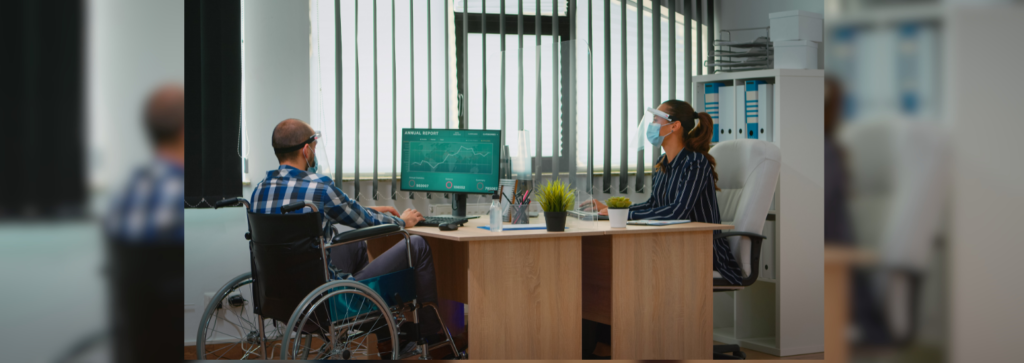
Healthcare organizations are increasingly adopting a digital rehabilitation platform to manage patient care from initial assessment to discharge.Modern digital health technologies continue to improve patient care and healthcare delivery worldwide.
These platforms provide:
- Digital patient records.
- Real-time reporting.
- Remote monitoring capabilities.
- Outcome tracking.
- Secure data management.
A centralized digital environment helps rehabilitation centers deliver more efficient and coordinated care.
Streamlining Operations Through Healthcare Workflow Software
Administrative inefficiencies can slow down patient care. Modern healthcare workflow software automates repetitive tasks and improves communication between departments.
Benefits include:
- Automated appointment reminders.
- Reduced paperwork.
- Faster approvals.
- Improved staff coordination.
- Better resource allocation.
By simplifying workflows, rehabilitation facilities can improve both patient satisfaction and staff productivity.
Better Management for Modern Rehabilitation Centers
An advanced rehabilitation center management software solution supports multiple departments within a rehabilitation facility. It allows administrators to monitor operations, track performance, and make informed decisions.
Features often include:
- Patient management.
- Therapist allocation.
- Treatment documentation.
- Billing management.
- Performance reporting.
- Resource utilization tracking.
These capabilities help organizations operate more efficiently while maintaining high-quality patient care.
Why Cloud-Based Solutions Matter
Many facilities are now moving toward cloud-based rehabilitation software because of its flexibility and accessibility.
Cloud solutions offer:
- Secure data storage.
- Remote access.
- Automatic updates.
- Reduced IT costs.
- Better scalability.
- Multi-location management.
This allows rehabilitation providers to access patient information anytime and from anywhere while maintaining data security.
Optimizing Patient Scheduling

Managing therapy sessions efficiently is critical for both patient satisfaction and operational success. Modern therapy scheduling software helps reduce appointment conflicts and improve therapist utilization.
Key advantages include:
- Automated scheduling.
- Appointment reminders.
- Reduced cancellations.
- Better therapist allocation.
- Improved patient experience.
Efficient scheduling helps maximize treatment capacity while reducing administrative work.
Is Your Rehabilitation Center Ready for the Future?
Artificial intelligence is no longer a future concept. It is becoming an essential component of modern rehabilitation services. Organizations that adopt AI-driven technologies can improve patient outcomes, streamline operations, and remain competitive in an evolving healthcare landscape.
Investing in AI rehabilitation software allows rehabilitation centers to deliver personalized care, improve operational efficiency, and support long-term growth. As technology continues to advance, embracing intelligent solutions may become a necessity rather than an option.
Conclusion
The future of rehabilitation is becoming increasingly digital, connected, and intelligent. From patient management to therapy scheduling and clinical decision support, AI-powered solutions are transforming the way rehabilitation centers operate.
Organizations that embrace AI rehabilitation software today can position themselves for better patient outcomes, improved efficiency, and sustainable growth in the years ahead.
Ready to Bring AI Into Your Rehabilitation Center?
To learn more about how digital rehabilitation management platforms can improve access, standardisation, and long-term recovery outcomes, contact us at admin@rehab-software.com. We’d be happy to help you explore the possibilities.