
The Shift From Manual Effort to Intelligent Rehab
Rehabilitation has always depended on the skill and judgment of therapists, from restoring gait after stroke to rebuilding hand function after injury. But as caseloads grow and neurological conditions become more complex, clinicians face increasing pressure to deliver effective, consistent, and personalised care.
Today, AI and ML are transforming this landscape. Backed by research from Frontiers and MDPI, these technologies are helping therapists plan treatment more precisely, adapt therapy in real time, and understand recovery trajectories with far greater clarity.
More Intelligent Workflows, Not Heavier Workloads
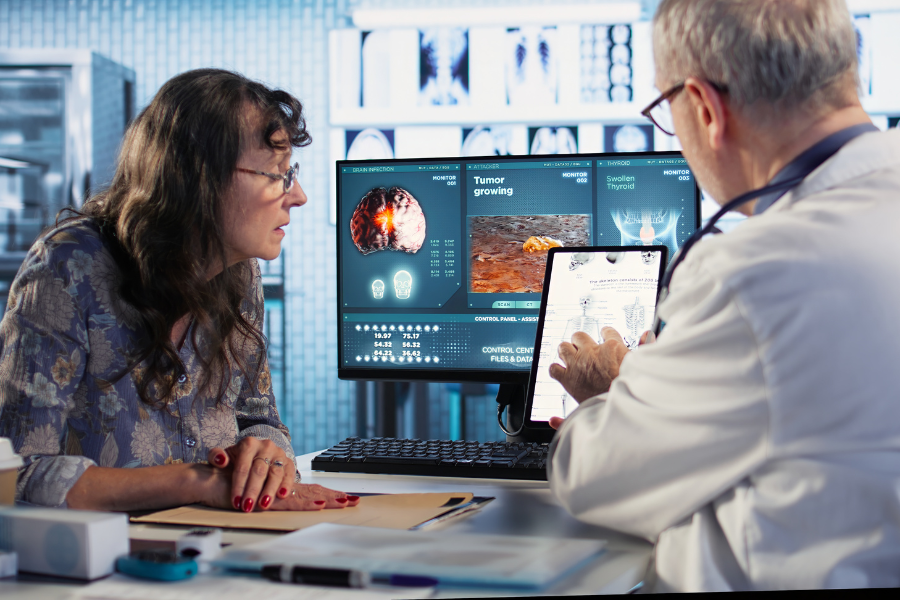
Traditional rehab workflows demand hours of assessment, documentation, and multi-disciplinary coordination, reducing the time available for direct patient care.
AI/ML reverses the equation. By analysing large volumes of patient data rapidly and accurately, AI reduces administrative load and highlights patterns that guide clinical decision-making.
The result is simple: rehab becomes smarter, not busier.
AI as the Therapist’s Most Intelligent Assistant
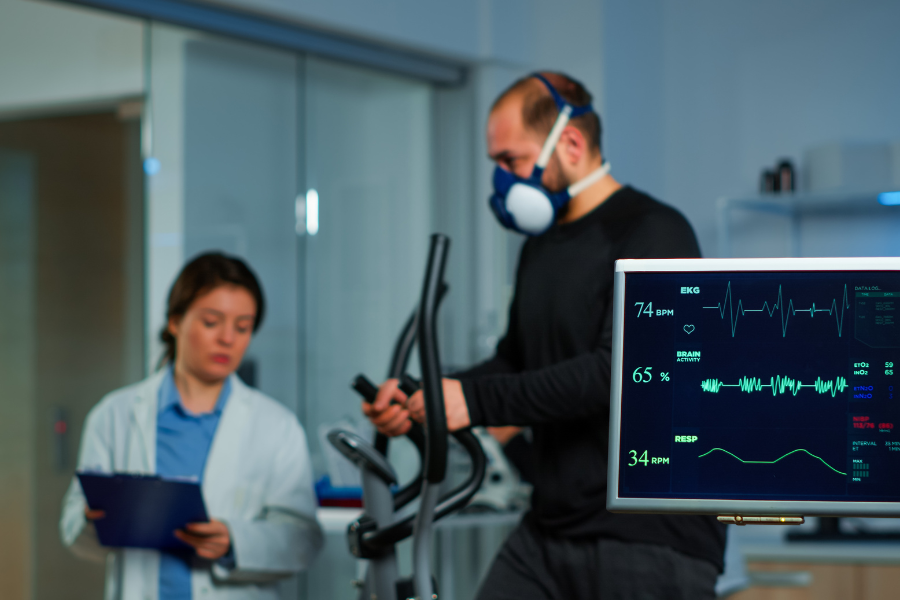
Machine learning excels at detecting subtle performance patterns that can be missed during manual evaluation. Studies show that AI models can accurately interpret:
- Gait symmetry
- Limb coordination
- Motor control
- Fatigue indicators
By integrating data from wearable sensors, digital assessments, and therapy devices, AI delivers objective insights that strengthen the therapist’s expertise rather than replace it.
Personalised Therapy That Adapts in Real Time
Every patient recovers differently, depending on neuroplasticity, physical condition, and motivation. AI enables therapy plans that adjust dynamically as the patient progresses. If balance improves faster than hand coordination, the system automatically fine-tunes the plan, adjusting intensity, repetitions, and difficulty in real time. This ensures therapy remains optimally challenging, continuously aligned to individual needs, and maximises functional gains.
Predictive Recovery Curves for Proactive Care
One of the most powerful contributions of AI is predictive recovery modelling. By analysing early-stage therapy data alongside historical patient outcomes, AI can estimate expected progress weeks or months ahead.
These predictive curves help clinicians anticipate plateaus, intervene earlier, and provide families with realistic recovery timelines. These insights turn uncertainty into clarity, supporting better clinical planning and strengthening patient motivation.
A Human-Centred Future Powered by Intelligence
AI empowers therapists; it doesn’t replace them.
By reducing human error, standardising care, and simplifying decision-making, AI allows clinicians to focus more on empathy, encouragement, and hands-on care.
For busy rehab centres, AI-driven therapy planning improves efficiency, consistency, and outcomes at scale. Rehabilitation is moving from manual workload to intelligent, adaptive planning, delivering care that is precise, personalised, and deeply human.